Europe Beyond Access have launched their new report, Learning To Change
How accessible – or inaccessible – is performing arts education in Europe for disabled artists and cultural workers?
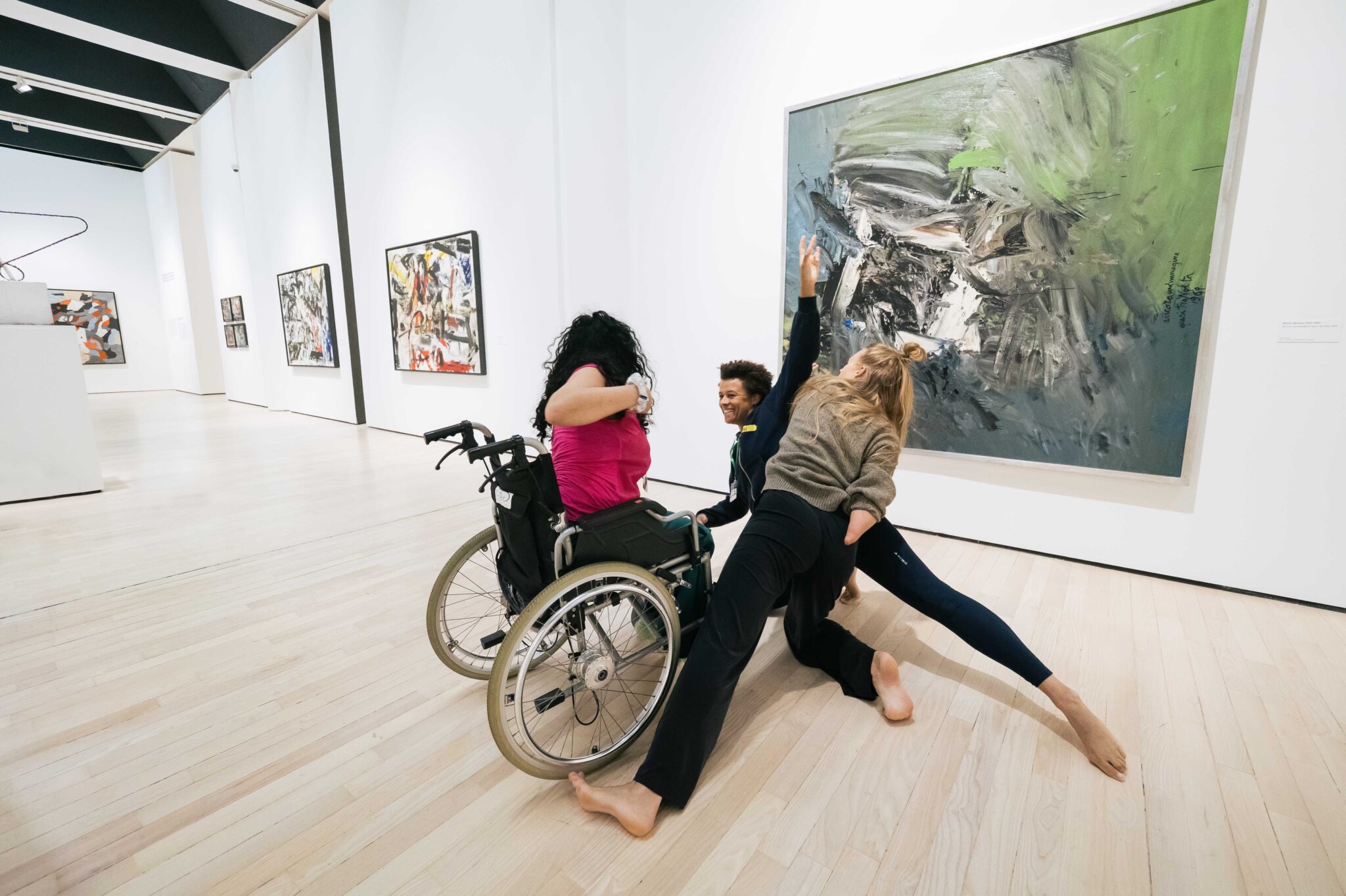
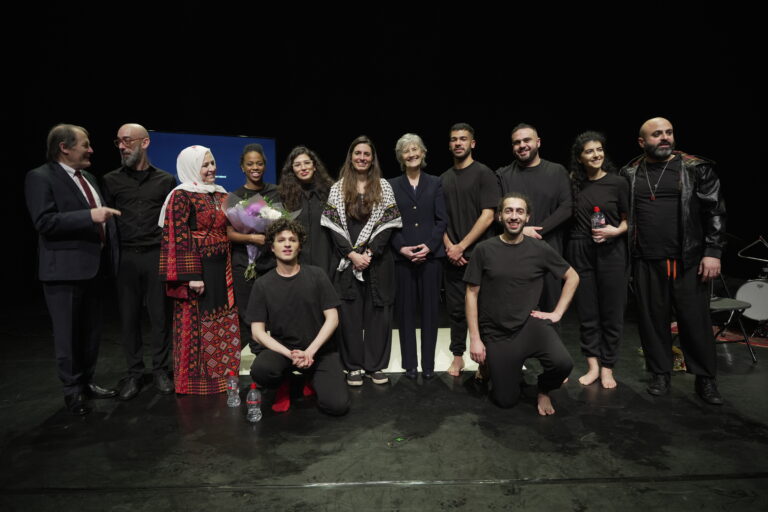
On December 3, Europe Beyond Access (EBA) launched their new report, Learning to Change – a research report authored by On The Move, and commissioned by Skånes Dansteater in the context of Europe Beyond Access with the support of the British Council – which examines the current state of accessibility in higher arts education across Creative Europe countries and the UK. The research draws on surveys, interviews, and focus groups with disabled artists, cultural organisations, and higher education institutions.
The report sheds light on widespread barriers to access and participation, while also identifying examples of promising practice. It calls for a shift from reliance on individual goodwill to the development of structural and institutional change.
The report shows a significant gap between institutions’ commitments and lived reality. Many entry processes, buildings and communications remain inaccessible, and no aspect of the student experience was rated above 5.87/10 by disabled respondents. Only 41% of surveyed institutions adapt entry tests, and just 27% provide information in accessible formats.
These barriers have long-term consequences: disabled artists who were able to access higher education are twice as likely to have participated in 15 or more professional productions compared to those who could not. Exclusion at the training stage directly limits diversity across the wider performing arts ecosystem.
While some institutions are taking steps to improve accessibility through flexible entry requirements, dedicated staff and partnerships with specialised organisations, the report concludes that systemic change — not ad-hoc adaptations — is needed.
Accessibility must be recognised as a fundamental part of artistic diversity, not an exception.
Europe Beyond Access is the biggest trans-national project in the world supporting Disabled and Deaf artists to break the glass ceilings of contemporary dance and theatre. The project started in 2018, and in 2024 the second generation has been co-funded once again by the Creative Europe programme of the European Union and will run for another 4 years, to 2027.
Need help? Fill in the contact form and our team will get back to you.
Manage Cookie Consent
By clicking “Accept All Cookies”, you agree to the storing of cookies on your device to enhance site navigation, analyze site usage, and assist in our marketing efforts. Read MoreReject AllAccept
Consent Preferences
Privacy Overview
This website uses cookies to improve your experience while you navigate through the website. Out of these cookies, the cookies that are categorized as necessary are stored on your browser as they are essential for the working of basic functionalities of the website. We also use third-party cookies that help us analyze and understand how you use this website. These cookies will be stored in your browser only with your consent. You also have the option to opt-out of these cookies. But opting out of some of these cookies may have an effect on your browsing experience.
Necessary cookies are absolutely essential for the website to function properly. These cookies ensure basic functionalities and security features of the website, anonymously.
Cookie
Duration
Description
cookielawinfo-checkbox-analytics
11 months
This cookie is set by GDPR Cookie Consent plugin. The cookie is used to store the user consent for the cookies in the category "Analytics".
cookielawinfo-checkbox-functional
11 months
The cookie is set by GDPR cookie consent to record the user consent for the cookies in the category "Functional".
cookielawinfo-checkbox-necessary
11 months
This cookie is set by GDPR Cookie Consent plugin. The cookies is used to store the user consent for the cookies in the category "Necessary".
cookielawinfo-checkbox-others
11 months
This cookie is set by GDPR Cookie Consent plugin. The cookie is used to store the user consent for the cookies in the category "Other.
cookielawinfo-checkbox-performance
11 months
This cookie is set by GDPR Cookie Consent plugin. The cookie is used to store the user consent for the cookies in the category "Performance".
viewed_cookie_policy
11 months
The cookie is set by the GDPR Cookie Consent plugin and is used to store whether or not user has consented to the use of cookies. It does not store any personal data.
Functional cookies help to perform certain functionalities like sharing the content of the website on social media platforms, collect feedbacks, and other third-party features.
Performance cookies are used to understand and analyze the key performance indexes of the website which helps in delivering a better user experience for the visitors.
Analytical cookies are used to understand how visitors interact with the website. These cookies help provide information on metrics the number of visitors, bounce rate, traffic source, etc.
Advertisement cookies are used to provide visitors with relevant ads and marketing campaigns. These cookies track visitors across websites and collect information to provide customized ads.