


Opening: Thursday 23 November 6 - 8p
Artist talk: Thursday 23 November 5.30pm
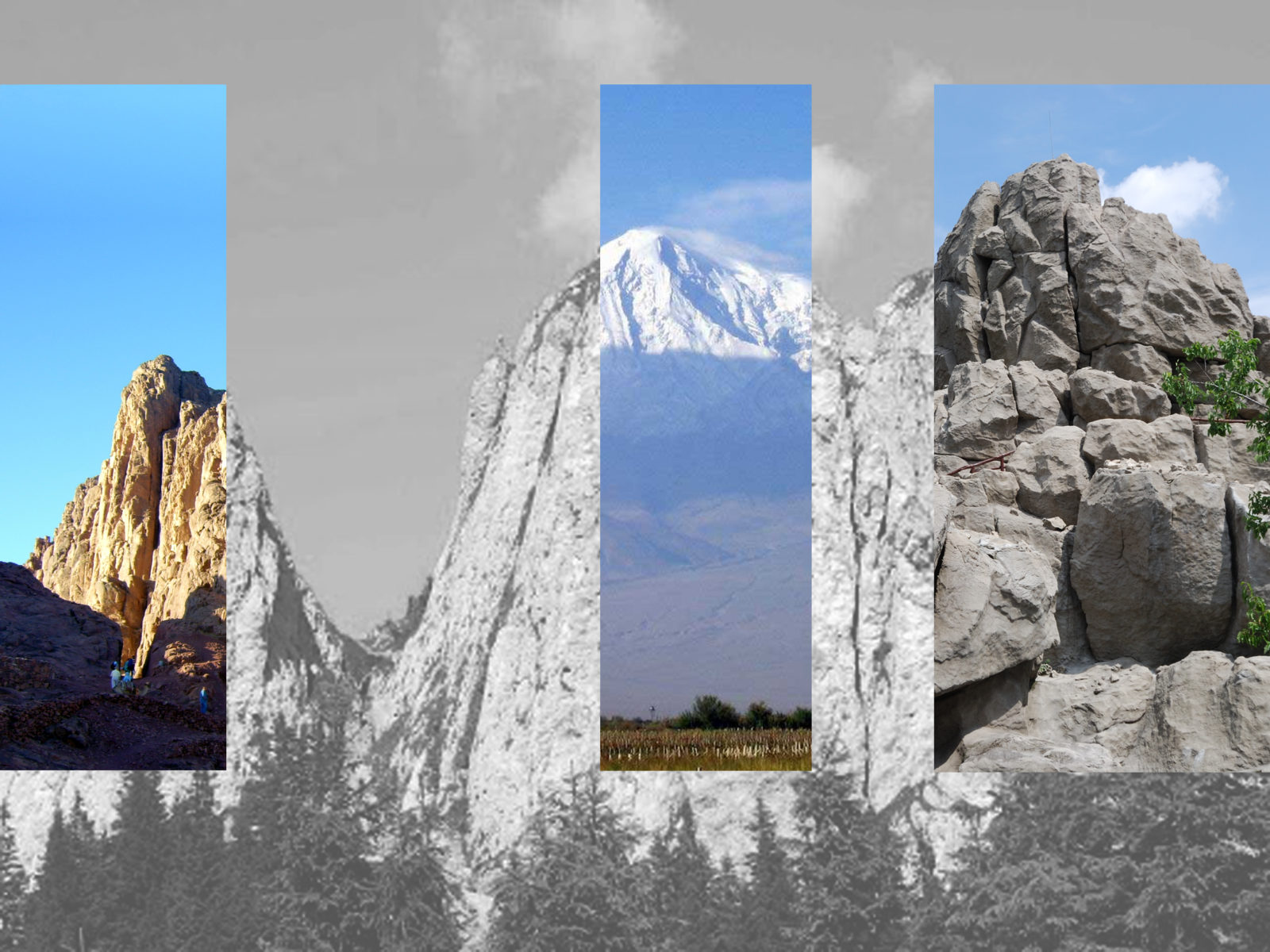
From Fake Mountains to Faith (Hungarian Trilogy), examines the complex and shifting relationship between the quite recent authoritarian turn and development of "illiberal" Hungarian state policy and the political and cultural philosophy that operates as its ideological basis. Budapest-based Szabolcs KissPál’s project problematises the distinctions which have been drawn between various strains of political thought held by right-wing (Christian-) conservative political parties on the subject of this national question. And he demonstrates how the current re-emergence of irredentist symbolism and the discourse of "revisionist nationalism" and reconciliation holds a sustained and systematic place in politics. Through counter-fictionalisation (operating as the "potential to deconstruct the myth from within") as its methodology, the docu-fiction project presents an analysis of the formation of national mythologies, their persistence and changing role in both political and everyday representation. With an interest in the relation between ethnicity, nation formation, and nationalism, KissPál’s approach is corrective to past and present intellectual orthodoxies. It also addresses the main issues of national religion—that synchretic mix of elements from folk Christianity and Neopaganism—and their penetration into all aspects of everyday life.
From Fake Mountains to Faith (Hungarian Trilogy) is made up of two docu-fiction videos: Amorous Geography (2012) and The Rise of the Fallen Feather (2016), and an installation The Chasm Records (2016) that presents a fictitious museum setting. Within a larger historical and cultural framework, the work establishes interconnections between the three major elements of the state philosophy in question: the symbolism of the "ethnic landscape" and political geography; the romantic historiography of national myths of origin; and Turanism, a re-emerging form of political religion and a movement to politically and culturally unite the Turkic, Tatar, and Uralic peoples living in Turkey and across Eurasia from Hungary to the Pacific.
Amorous Geography, the first video work of the Hungarian Trilogy, deals with one of the most persistent—though repressed—motifs of Hungarian historical memory: the Treaty of Trianon (1920) and the national trauma caused by its fait accompli redefining of the borders and the regulated status of the independent Hungarian state. Subsumed into the narrative of national victimhood and political revisionism, these events exerted a long-lasting effect on the development of Hungarian society, shaping its socio-political structures, defining its cultural positions, and fuelling its socio-cultural frustrations throughout the twentieth century and up to the present day.
In an associated chain of historical references, The Rise of the Fallen Feather focuses on the symbolism of a totem bird – the mythological Turul. The film examines the ways in which its symbolism affected twentieth century Hungarian history, and the bird’s place in a magical, if amnesiac, collective memory that begins in very early times, culminating in the present ‘blood and soil’ ideology.
The Chasm Records takes the form of a museum display, presenting items from a fictitious archaeological find. Through references to historical objects, documents, and relics from both Hungary’s interwar and wartime periods, the political formation of the nation is revealed – a process still being completed in contemporary Hungarian society. The narrative presentation of the archaeological objects identifies the main constitutive element of national ideology: political religion as a tool to exclude particular groups and events from collective memory.
Curated by Lívia Páldi
Watch the artist's exhibition introduction here: https://www.youtube.com/watch?v=drCtmCIBfkk&feature=emb_title
You can learn more about the project and the related publication here: https://fromfakemountainstofaith.eu/
Upcoming events:
From Fake Mountains to Faith (Hungarian Trilogy) Book Launch: 12 January 5pm
